
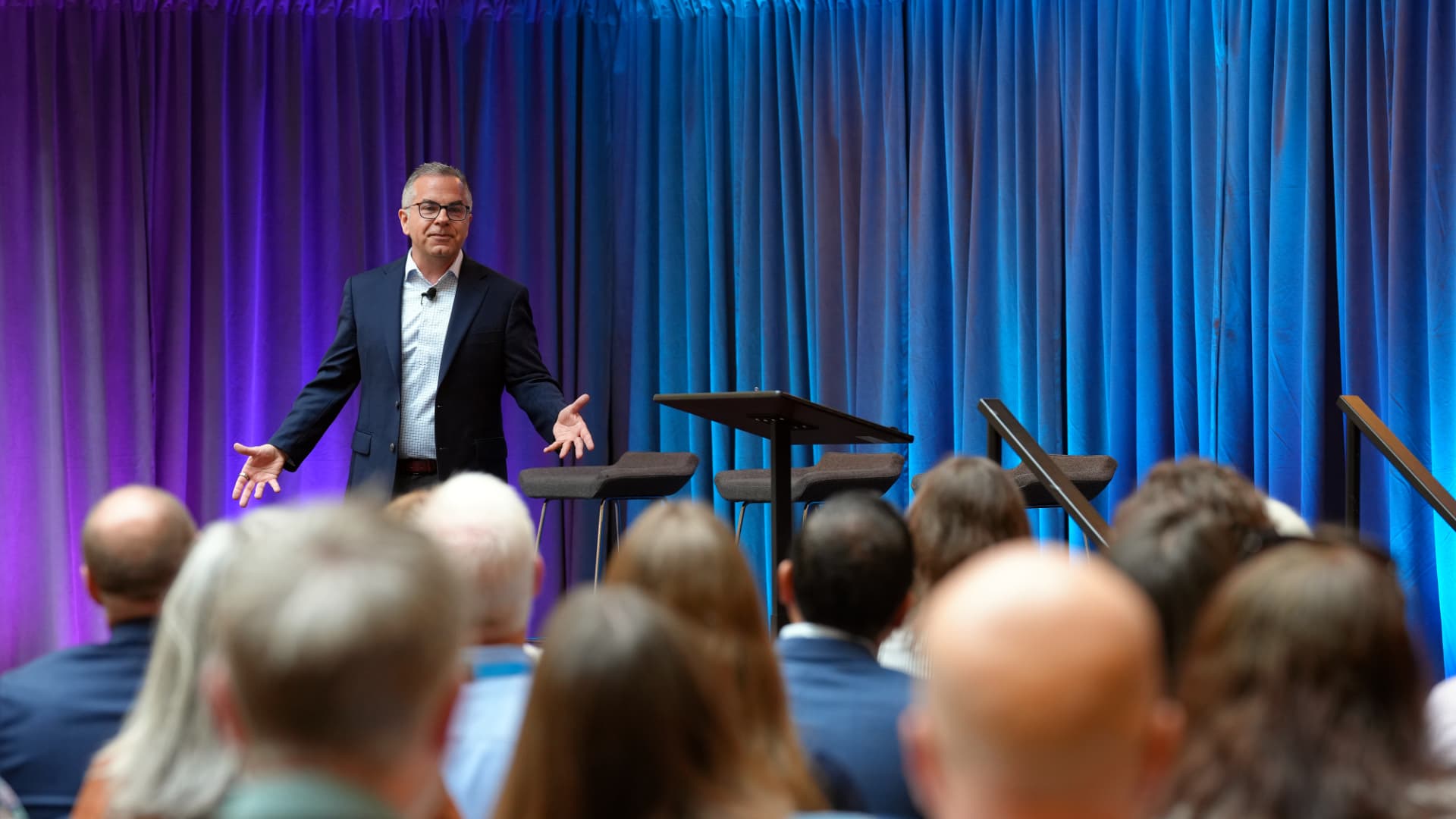
Speaking
Change what your leaders look for before they decide what to do.
Keynotes and workshops that give leaders a new way to recognize the forces shaping their teams—and practical tools they can take back into the organization.
Explore speaking
You’ve built a talented team. You have clear goals and a sound strategy. And yet something isn’t clicking.
A team walks out of a meeting certain a decision was made. Two weeks later, they're executing three different versions of it. A conflict you thought was resolved comes back almost word for word. A top performer starts to stall, and nothing you try reaches whatever is wrong.
Most of what determines whether a team performs is invisible to the people inside it.
It can be seen. It can be named. It can be built for.
Every leader reads the room through a lens.
Experience shapes it. Your role shapes it. And pressure can cloud it at exactly the wrong moment. That's why two capable people can sit through the same meeting and walk out having experienced two different meetings.
When something stalls, the instinct is to act on what you can see. Clarify the goal. Coach the person. Increase accountability. Restructure the team. Sometimes that works.
But when the same friction keeps returning, the real driver may be sitting somewhere you cannot see from your chair.
Skip spent years teaching self-awareness and believing that better leaders simply needed to learn to see more clearly. Then he watched self-awareness fail leaders—including himself—at exactly the moments it mattered most.
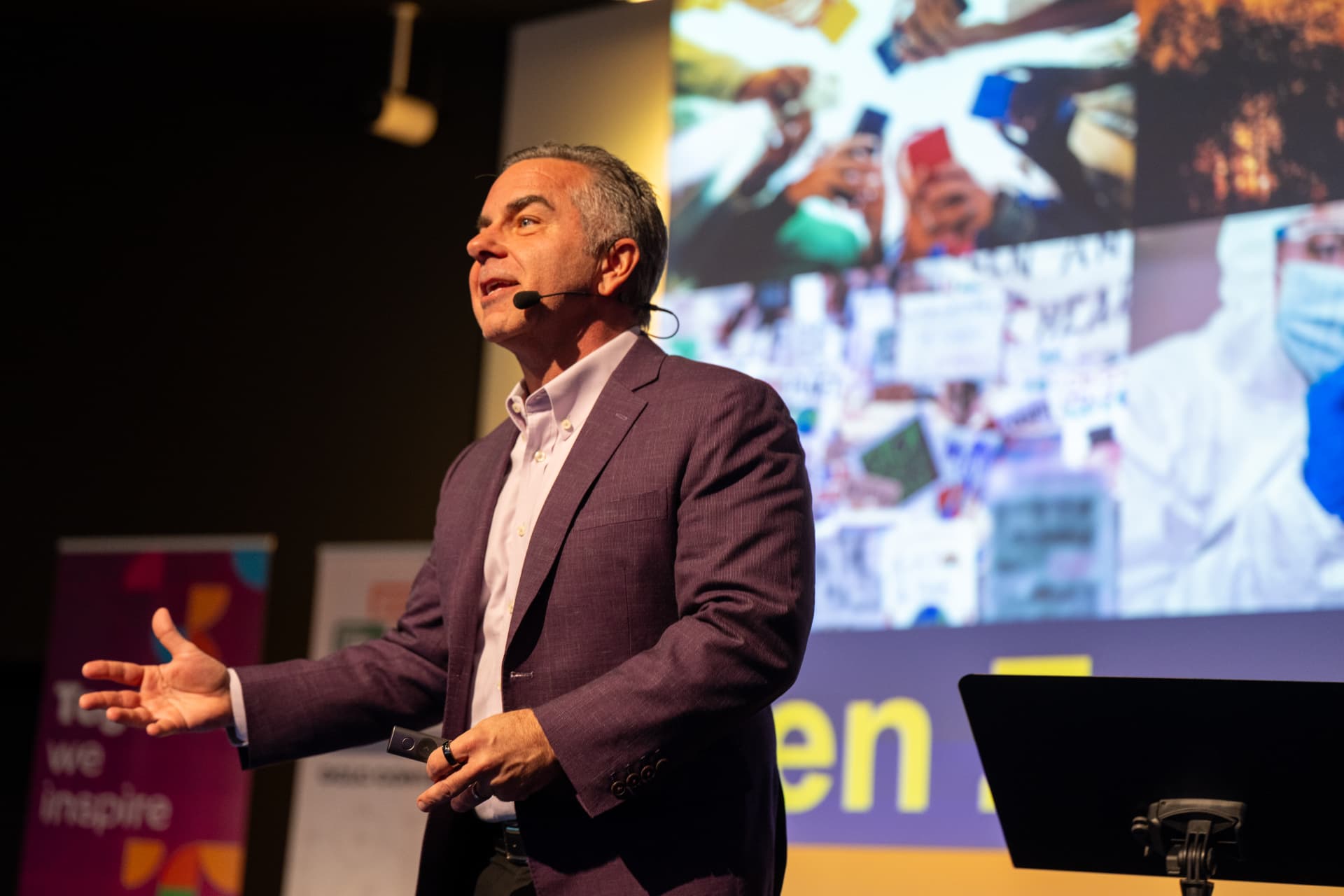
Pilots understand this problem
Fly into a cloud and your body can tell you, with complete confidence, something that isn't true. Flight training doesn't try to create pilots who never become disoriented. It assumes they will—and builds instruments they can trust when their own perception fails them.
A leader learns to see. Then builds for the days seeing fails.
That's the work Skip is exploring now.
How people make sense of what happens.
People can hear the same words, sit through the same meeting, and leave with completely different understandings of what just happened. The problem is that we usually assume everyone saw what we saw.
How people engage in the moments that matter.
Meetings. Feedback. Conflict. Decisions. Difficult conversations. These moments create patterns—and small misreadings can harden into ways of working that nobody consciously chose.
What the system teaches when no one is watching.
Every team develops unwritten rules, rhythms, expectations, and ways of repairing—or avoiding—problems. No leader can see every moment. Your absence is the test.
A leader learns to recognize these forces—and build systems that keep working when seeing clearly becomes hardest.
Start the free 5-minute assessmentThe Team Performance Diagnostic™
A 5-Minute Assessment for Leaders of Already-Good Teams
Your team is talented. Your strategy is sound. So why does progress still feel harder than it should?
The visible problem may not be the real problem.
This assessment helps experienced leaders look beneath the surface and identify invisible forces that may be creating friction — beginning with themselves. It is not an employee evaluation or a personality test.
For more than twenty years, Skip Prichard has been the person accountable for the decisions, people, culture, and results: ProQuest Information and Learning, Ingram Content Group, and now OCLC.
Public company. Private company. Nonprofit. The pattern didn't care which.
Along the way, he's interviewed more than 1,000 CEOs, authors, researchers, and leaders, asking most of them some version of the same question:
How did you figure that out?
What keeps surfacing is that what leaders cannot see often matters as much as what they can. Skip has spent his career learning where to look—and he continues testing these ideas inside an organization he is actually accountable for.

Speaking
Keynotes and workshops that give leaders a new way to recognize the forces shaping their teams—and practical tools they can take back into the organization.
Explore speaking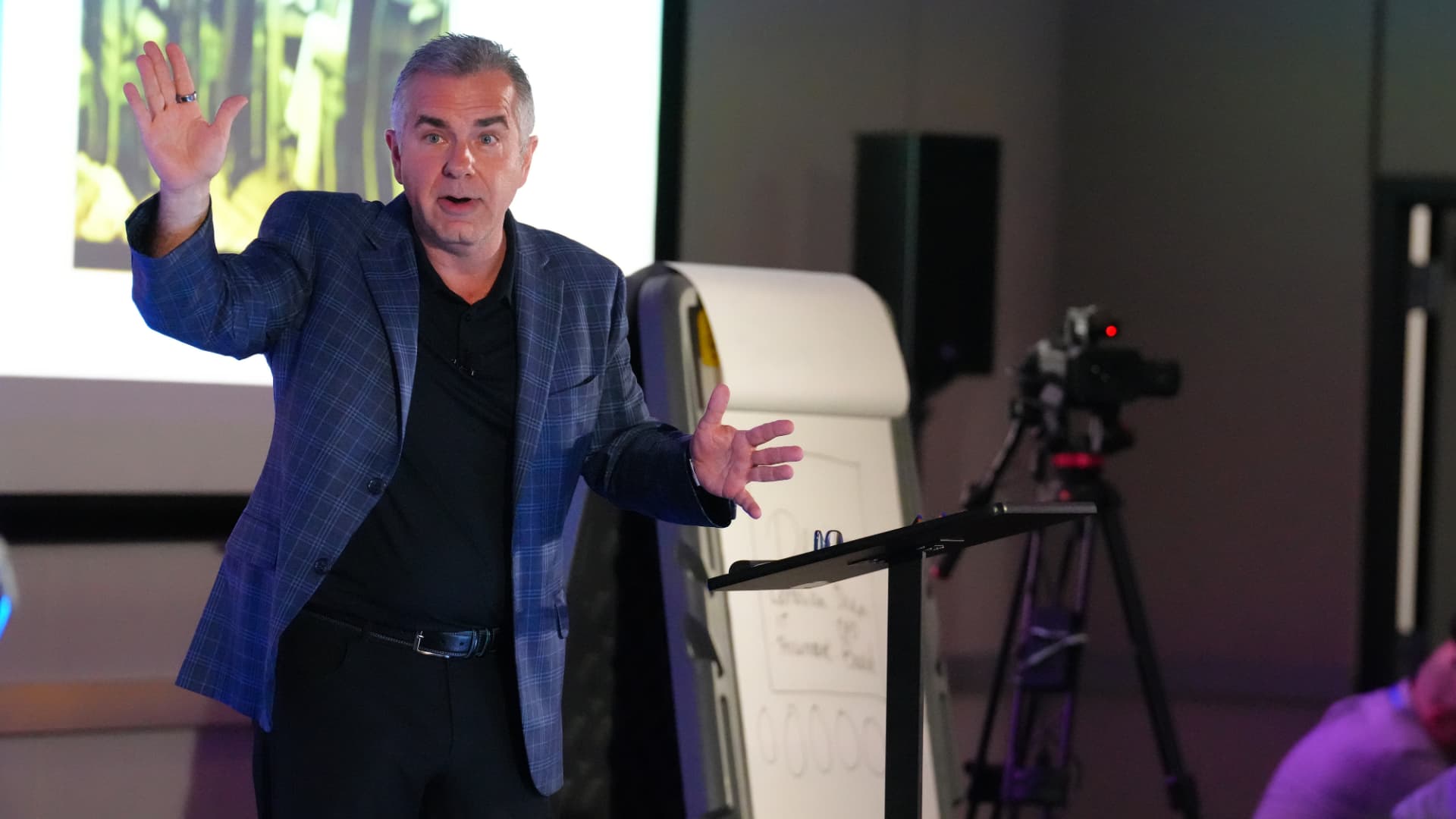
Leadership teams + organizations
Executive sessions, workshops, and leadership programs give teams a shared vocabulary for what’s happening beneath the surface—and rhythms they can continue using after Skip leaves the room.
Explore organizational work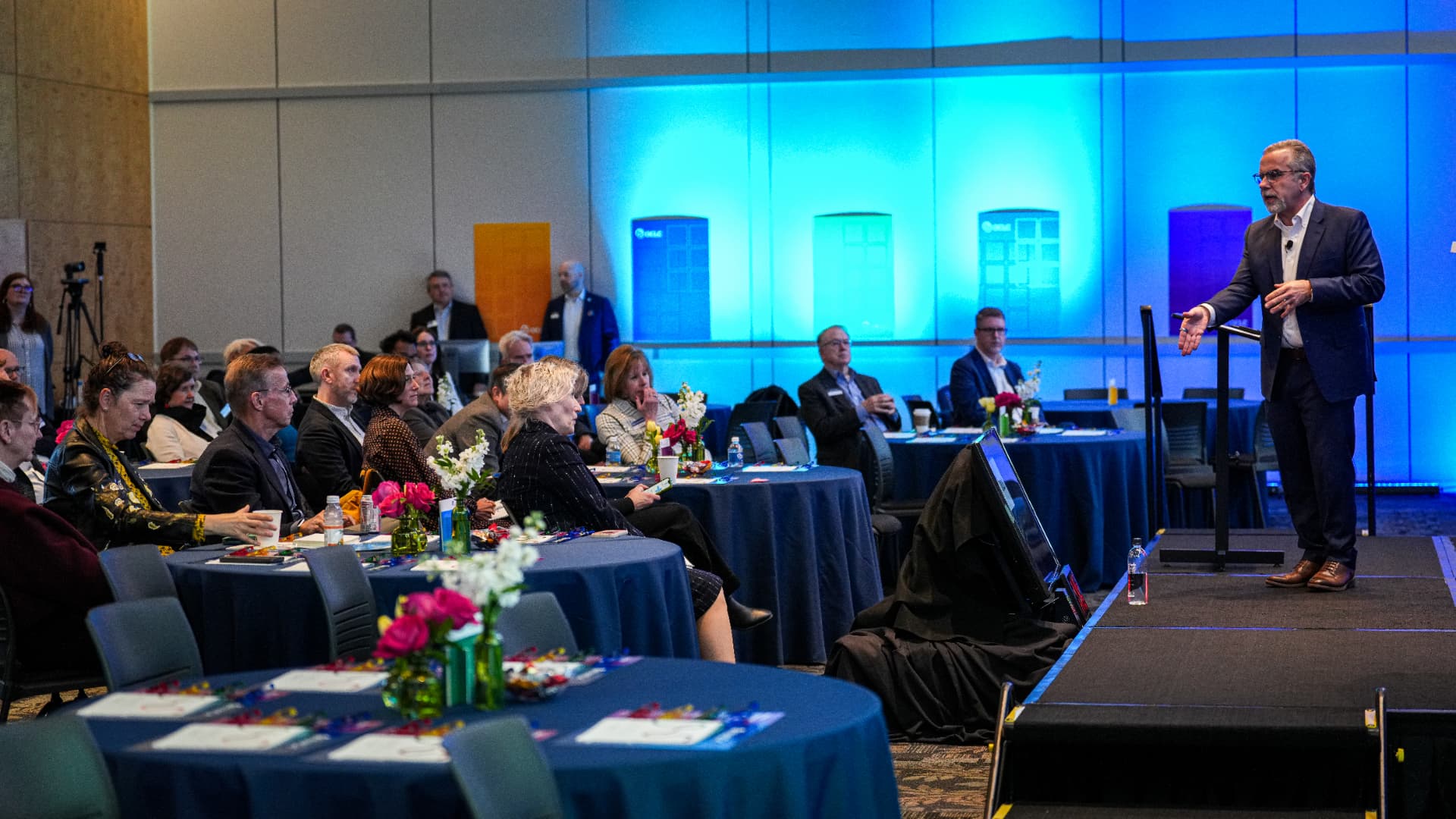
Boards
Boards make consequential decisions based on the information that reaches them. But every organization filters information—intentionally or not. Skip helps boards and executive teams examine what they know, what they assume, and what may not be making it into the room before the consequential decision is made.
Explore board sessionsPodcast
Skip talks with chief executives, researchers, authors, and operators about the forces that shape how teams and organizations actually work. Different perspectives. Hard-earned lessons. Better questions.
All centered around one question:
What might we be missing?
Listen to the podcast
